
Programs
What the campus is being built to do.
Every program below carries its real status. Nothing is marked active unless it is running, and the infrastructure concepts are labeled as planning or future phase because that is what they are.
Community Gardens & Food Access
Grow Food. Grow Knowledge. Grow Community.
The RRHARTS food system is designed to connect practical education with local food access. Gardens, orchards, greenhouse infrastructure, composting, soil stewardship and hands-on learning will allow the campus to teach skills while producing something every community needs: food.
What this includes
- Community gardens
- Raised garden beds
- Fruit trees and orchard concepts
- Herbs and pollinator areas
- Composting and soil-health education
- Irrigation planning
- Regenerative growing practices
- Garden-to-table learning
- Food preservation education
- Volunteer garden days
- Future produce distribution
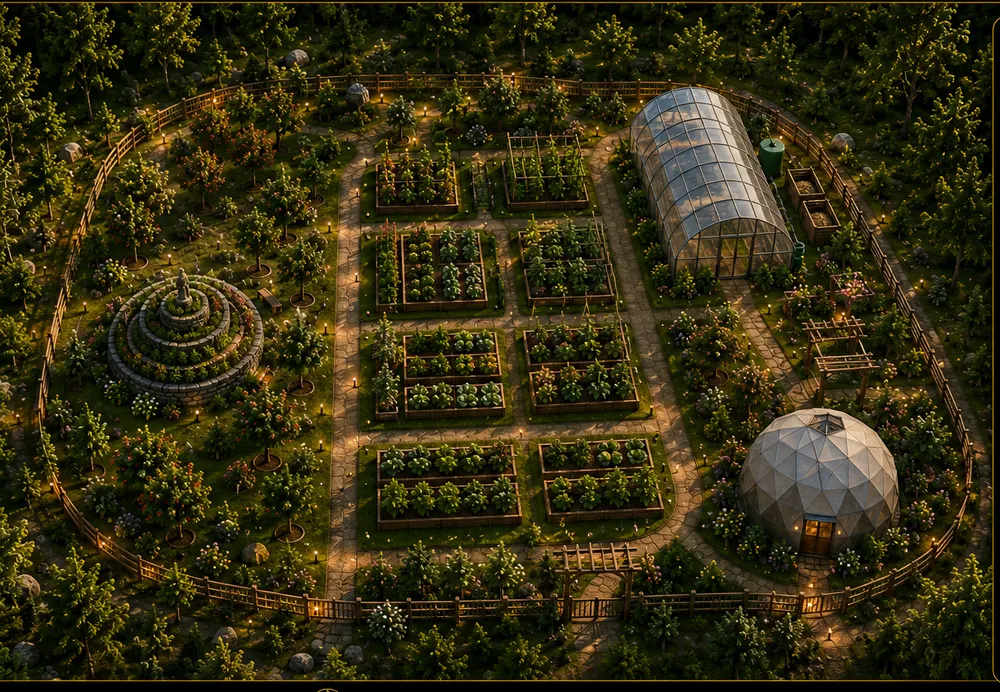
Food Forest
An Acre Can Feed More Than Hunger. It Can Feed Knowledge.
At 1.50 acres, the food forest and gardens are the largest single zone on the campus. Orchards, raised beds, herb gardens, pollinator corridors, compost and greenhouse infrastructure are planned as one connected growing system rather than separate plots.
What this includes
- Food forest
- Orchards
- Raised beds
- Herb gardens
- Pollinator corridors
- Compost
- Garden classrooms
- Produce education
Greenhouse & High Tunnel
Extending a Michigan Season
Greenhouse and high tunnel infrastructure is planned as part of the food-access and agricultural-learning system — extending Michigan growing seasons and supporting seed starting, propagation, crop production and agricultural demonstrations.
What this includes
- Season extension
- Seed starting
- Plant propagation
- Crop production
- Hands-on horticulture education
- Agricultural demonstrations
Final structures, sizes, output volumes and construction dates are not yet determined.
Sustainable Living Solutions Academy
The Land Is the Classroom.
At RRHARTS, education does not stop at a classroom door. Soil, gardens, water systems, buildings, animals, tools, food systems, walking paths and community life can all become opportunities to learn practical skills that strengthen both people and place.
What this includes
- Sustainable living
- Gardening and horticulture
- Agriculture
- Animal husbandry education
- Food systems and food preservation
- Water and energy conservation
- Home and property maintenance
- Practical repair skills
- Environmental stewardship
- Community workshops
- Volunteer education
- Workforce-readiness skill-building
- Train-the-trainer resources
- Publications and educational materials
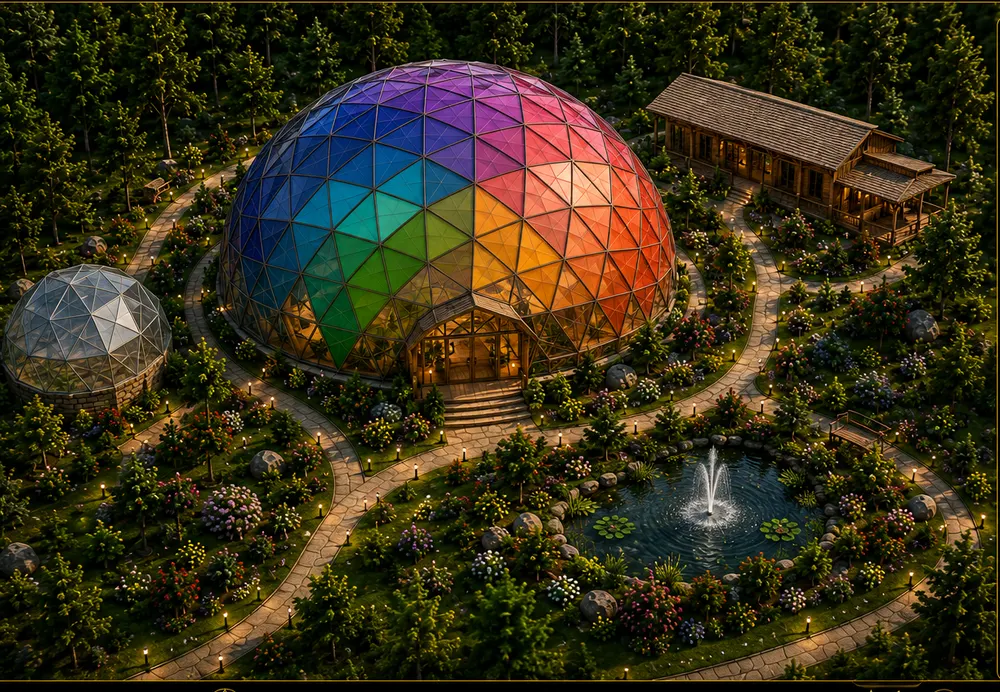
Outdoor Education
Learning That Happens Outside
Outdoor learning areas are planned throughout the campus, using interpretive features, pollinator habitat and the growing system itself as teaching material.
What this includes
- Outdoor learning areas
- Interpretive signage
- Pollinator education
- Environmental education
- Nature access
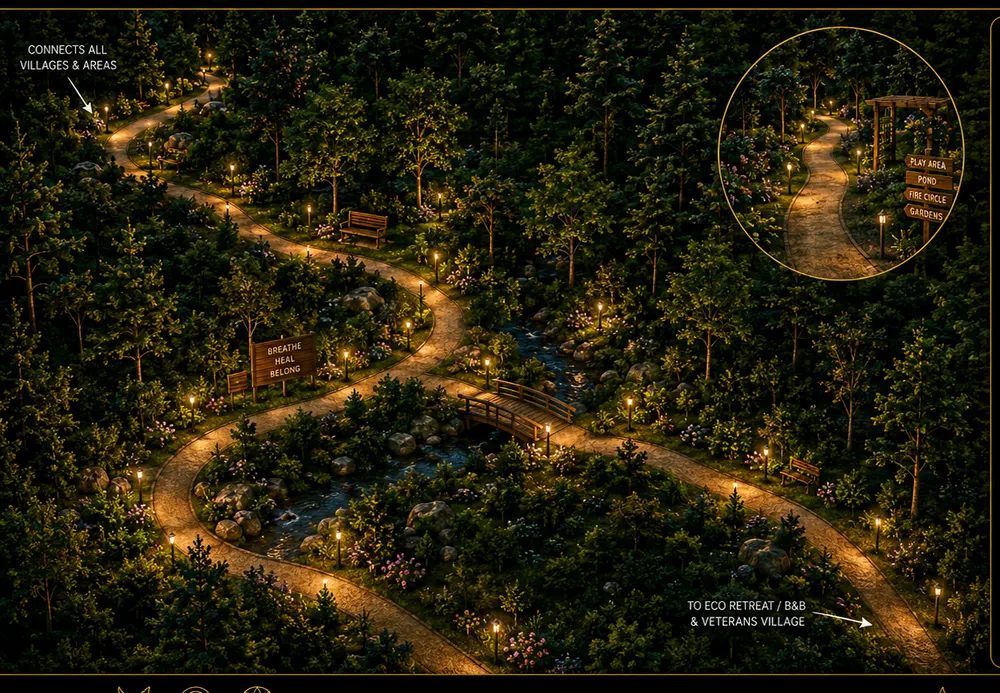
Accessible Walking Paths
A Path Should Connect More Than Two Places.
RRHARTS envisions accessible walking routes that connect the physical campus while creating opportunities for movement, reflection, learning and community connection. Along the way, interpretive features can turn a simple walk into an outdoor classroom.
What this includes
- Accessible movement
- Connection between campus zones
- Wayfinding
- Benches and rest areas
- Interpretive signage
- Safe circulation
- Community recreation
- Reflection
The trails are not presently open to the public.
Veterans Village
More Than Housing. A Place to Belong and Contribute.
The future RRHARTS Veterans Village is envisioned as a supportive community within the larger campus — connected directly to gardens, walking paths, learning spaces, community gathering areas, and opportunities to contribute. The goal is dignity, structure, connection, and practical pathways toward greater stability.
What this includes
- Safety, dignity and routine
- Belonging and community
- Meaningful contribution
- Veteran-informed connection
- Mentoring and peer connection
- Outdoor movement
- Gardening and food access
- Skill-building
- Sustainable-living education
- Volunteer roles
- Practical workforce readiness
- Connection with community and veteran-serving organizations
This is a future phase. It is not completed housing and is not accepting applications.
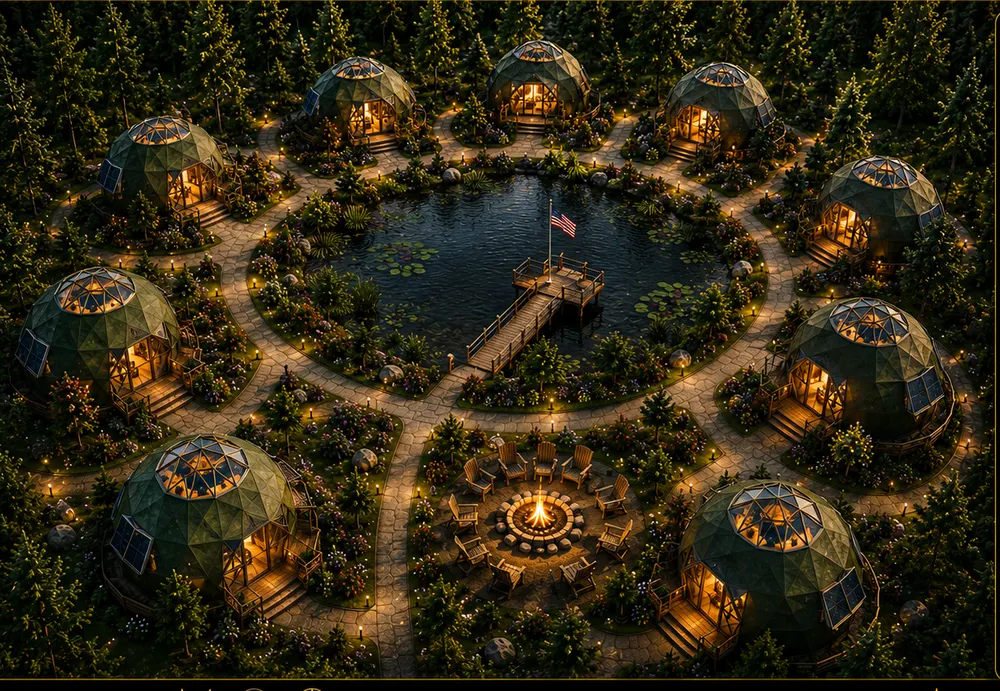
Family Village
Stability Has to Be Built Somewhere.
The future Family Village is envisioned as a place where housing stability connects with food access, education, community, outdoor space and practical skills. RRHARTS believes stability becomes stronger when people are connected to a community rather than isolated from one.
What this includes
- Stable community
- Gardens and food access
- Education
- Outdoor space
- Practical skills
- Community activities
- Family-friendly spaces
- Sustainable living education
- Resource connection
This is a future phase. Housing is not currently available.
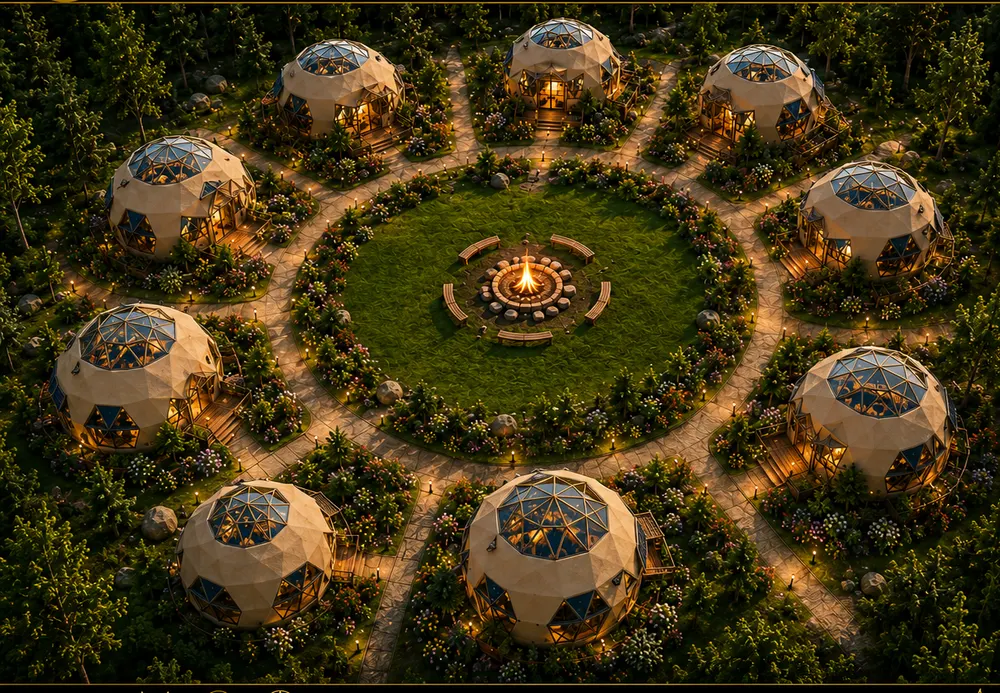
Seniors / Accessible Village
Accessibility Is Not an Add-On.
RRHARTS intends to design accessibility into the campus rather than retrofit it later. The future Seniors / Accessible Village concept reflects a larger commitment to creating spaces where mobility, dignity, participation, and community connection are considered from the beginning.
What this includes
- Accessible design
- Age-inclusive community
- Mobility and safe circulation
- Proximity to paths and gathering areas
- Gardening opportunities
- Education
- Connection across generations
This is not skilled nursing, assisted living, medical care, or licensed residential care.
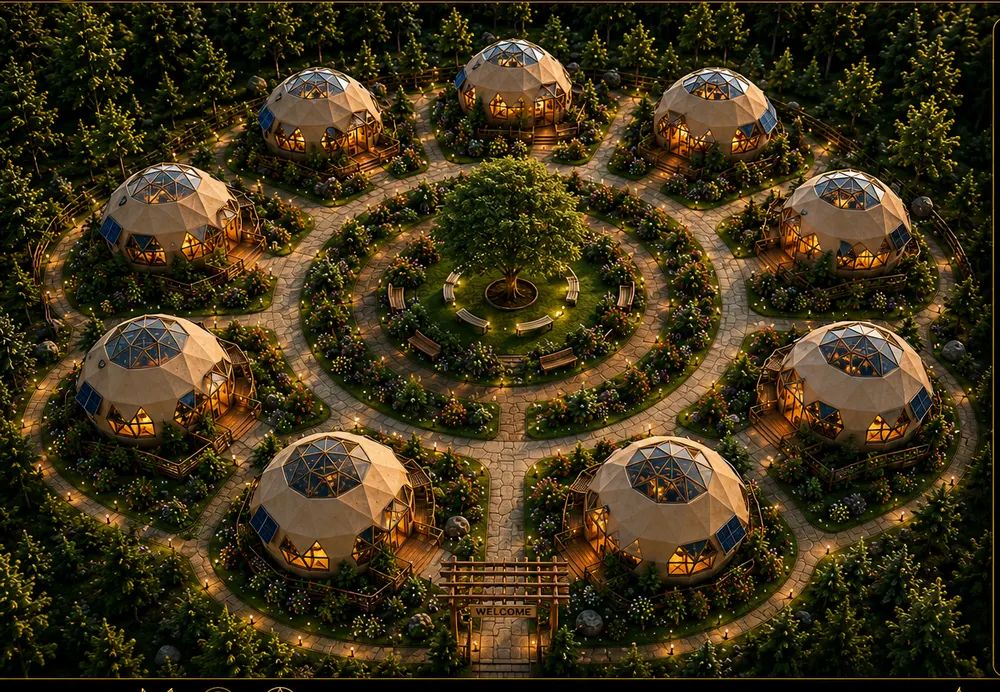
Rainbow Community Dome
Future Education & Community Hub
The Rainbow Community Dome is the conceptual centrepiece of the future campus — planned as the education hub and community gathering space, sitting at the middle of the property where the paths from every other zone converge.
What this includes
- Education hub
- Community gathering
- Workshops and demonstrations
- Meetings
- Volunteer education
- Food-system education
- Sustainable-living education
- Community events
- Training
- Public-benefit programming
The Dome has not been constructed.
Community Workshops
Practical Skills, Taught in Public
Workshops are planned around the practical realities of the campus: growing, preserving, repairing, conserving and maintaining. The intent is skills a participant can take home the same week.
What this includes
- Sustainable living
- Food preservation
- Water and energy conservation
- Home and property maintenance
- Practical repair skills
- Environmental stewardship
Volunteer & Stewardship Programs
This Is How a Community Gets Built.
Volunteer and campus-stewardship programming is being developed alongside site readiness. Garden days, path projects, community events and educational support are the first pathways in.
What this includes
- Garden volunteering
- Campus stewardship
- Walking-path projects
- Community events
- Education and workshop support
Volunteer activity is subject to availability, safety requirements, supervision, waivers, insurance and site readiness.
Before you read further
RRHARTS provides education, coaching, community support, and wellness programming. RRHARTS is not a medical provider and does not diagnose, treat, or cure medical or mental health conditions.
The village concepts on this page are future development. They are not completed housing, RRHARTS is not currently representing them as open housing programs, and no applications are being accepted. If that changes, it will be announced on the project updates page.